





Spalting in timber
BRE (Building Research Establishment) is an independent, research-based consultancy, testing and training organisation, operating in the built environment and associated industries. A guide to the use of urban timber (FB 50) was written by Geoff Cooper and published by BRE on 31 July 2012.
The guide gives the following explanation of ‘spalting’:
| In the early stages of infection of timber by fungi, certain fungal species cause the development of conspicuous dark lines (zone lines) and various colour changes to develop throughout the timber. The figure created by the myriad of dark intersecting lines is commonly known as spalting. Although this can be found on a range of different species, beech, Fagus sp., seems particularly prone to this form of attack. |
[edit] Related articles on Designing Buildings Wiki
- 11 things you didn't know about wood.
- A guide to the use of urban timber (FB 50).
- Birds-eye figure.
- BRE articles on Designing Buildings Wiki.
- Building Research Establishment.
- Burr.
- Carpentry.
- Dunnage.
- End racking.
- Physical Properties of Wood.
- The differences between hardwood and softwood.
- Tiger-stripe figure.
- Timber vs wood.
- Timber.
- Types of timber.
- Wood figure.
Featured articles
Check out some of the best features and news from Designing Buildings as well as key stories from around the web.
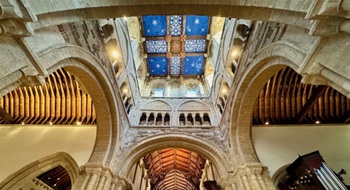
Dorset's first conservation campaigner?
Gov.uk - Hot-rolled steel plate

New anti-dumping measure imposed on South Korea.
ECA responds to the Milburn Report

Youth employment to be linked to workforce demand.
The construction industry urgently needs to attract new talent
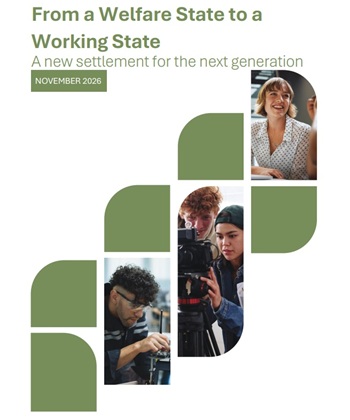
CIOB responds to Neets report.
Grenfell Tower community update

Memorial columns to be retained as careful dismantling continues.
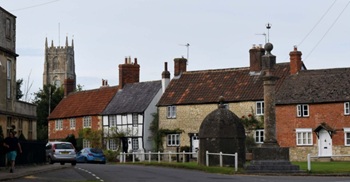
When buildings reflected the local resources available.

CIOB reports 57% are using artificial intelligence technologies.

More of England’s ‘hidden heroes’ will be celebrated.

CIAT calls for retrofit to be a priority.
Version 6 is now available, along with guidance for ECA members.
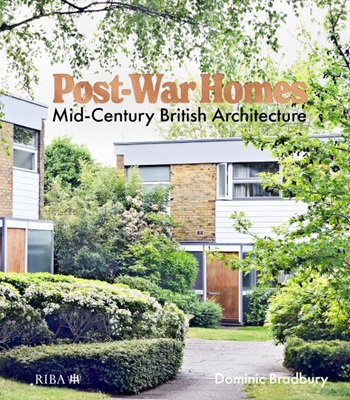
Post-War Homes: mid-century British architecture. Book review.

CIAT reflects on the party conferences.